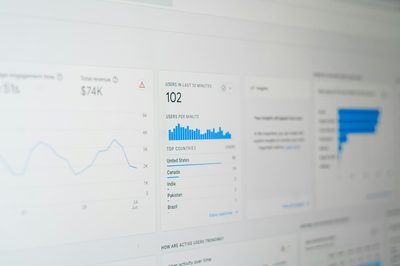
GA4 reports a number it calls 'organic conversions' and your CFO will treat it as truth. The number is defensible only after you understand four caveats. Here they are.
Site-wide traffic charts hide the real story. Group landing pages by acquisition month and you'll see which content compounds, which decays, and where to refresh — with concrete spreadsheet steps.
A KPI tree starts with revenue and walks down to coverage. When something breaks, the tree tells you which layer leaks. Here's the structure that diagnoses, not just reports.
Most SEO reports get rewritten on the way to the boardroom because they sound like rankings, not revenue. Here's how to translate without distorting — and what to never include.
Bounce rate inverted in GA4 and most teams still report it the old way. Here's what 'engaged session' really means, the 10-second threshold, and why engagement rate alone misleads SEO decisions.
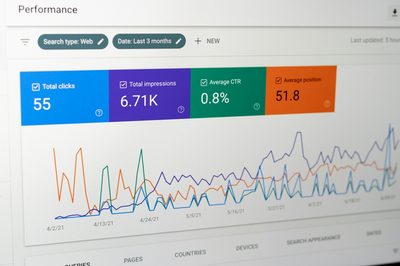
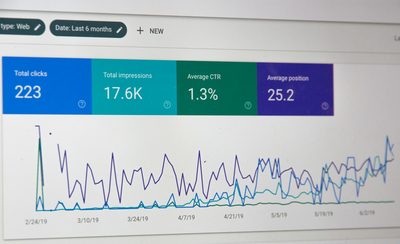
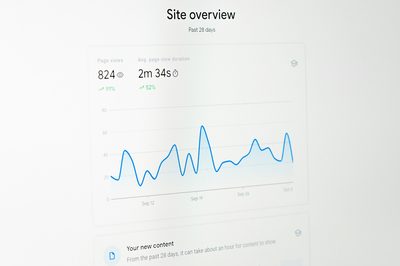
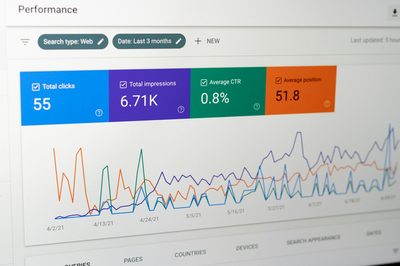
GA4 confused everybody. GSC stayed honest. Third-party tools fill specific gaps. Here is the full SEO measurement stack — data sources, attribution, KPI tree, dashboards — without the vendor pitch.
GA4 ships with 80+ pre-built reports and explorations. For organic-search work, eight of them carry 90% of the diagnostic value. Here's the shortlist, with the data-thresholding traps.
Cost-per-organic-session is fast and wrong. Attributed-revenue-per-content-piece is fragile. Share-of-voice-weighted ROI is what holds up under finance scrutiny — here's how to build it.
UTM-tagging an organic Google link will reclassify the session as referral or campaign and break your channel grouping. Here's the full set of rules — when to tag, when to stop.
GSC reports an averaged position across personalization and location. Rank trackers fix one location and pretend the SERP is stable. Both are useful, neither is wrong, and the gap is your diagnostic.